

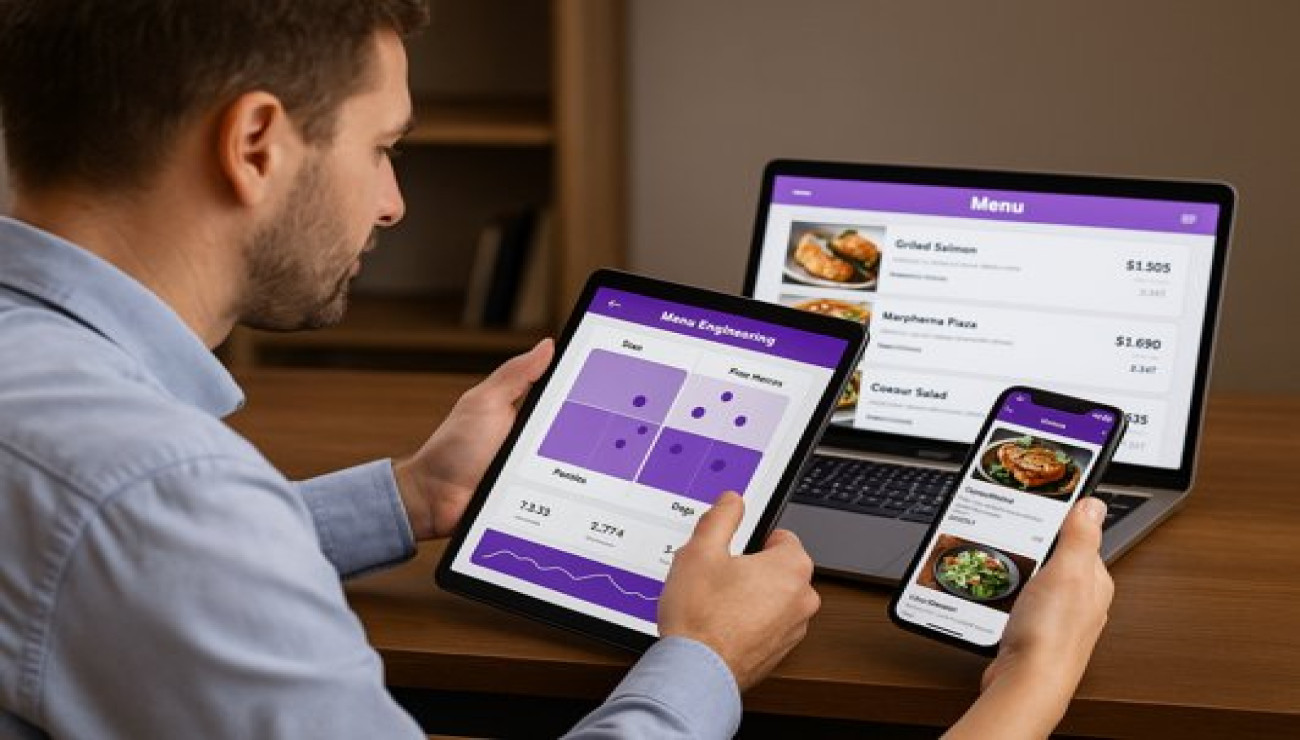
Understanding Menu Engineering for Profit
For restaurant owners, a menu is far more than a list of dishes and prices—it's the most powerful profit-making tool in your arsenal. Menu engineering is the strategic science of analyzing and designing your menu to maximize profitability. It moves beyond guesswork, using data from your POS software for restaurants to make informed decisions about pricing, placement, and promotion. In an industry known for razor-thin margins, mastering this discipline can be the difference between struggling and thriving.
This isn't about tricking customers; it's about creating a win-win situation. A well-engineered menu guides guests toward items they'll truly enjoy while ensuring your business is profitable. It combines psychology, design, and hard data to influence choices, increase your average ticket value, and reduce food waste. For any restaurant, cloud kitchen, or cafe serious about grow restaurant business online and offline, menu engineering is not an advanced tactic—it's a fundamental practice.
The Foundation: The Menu Engineering Matrix
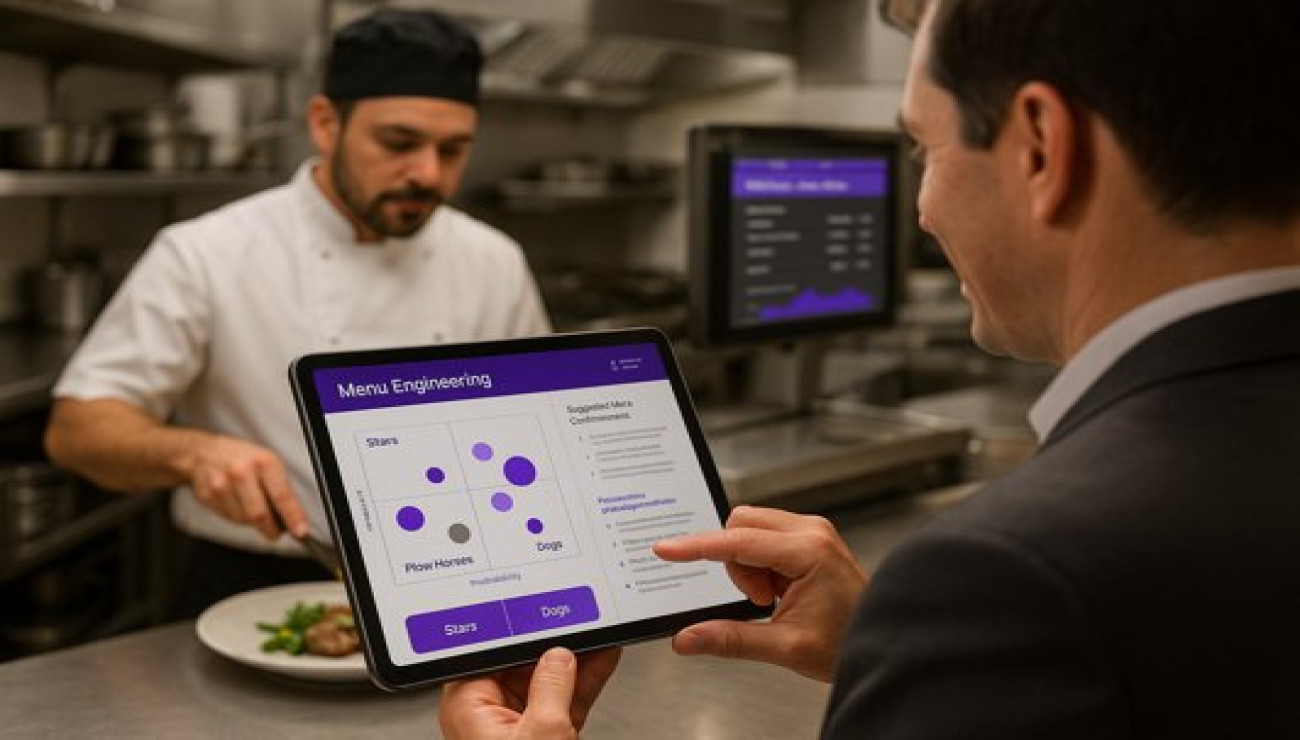
The core of menu engineering is categorizing every menu item based on two key metrics: popularity and profitability. By plotting these on a simple matrix, you can identify which items deserve promotion and which need to be reworked or removed.
1. Stars: High Profitability, High Popularity
These are your menu's champions. They are beloved by customers and highly profitable for you.
- Action: Promote them heavily! Place them in prime real estate on your menu (the top-right corner for most readers) and feature them on your digital menu, social media, and as staff recommendations. Ensure you never run out of the ingredients for these items.
- Example: A signature garlic naan or a house-specialty burger with a high margin.
2. Plow Horses: High Popularity, Low Profitability
These items are customer favorites but contribute very little to your bottom line. They often include staples like french fries or basic rice.
- Action: Don't remove them, but fix their profitability. Consider strategic price increases, reducing portion size slightly, or re-engineering the recipe to lower food cost. Bundle them with high-margin items to increase overall value.
- Example: A popular appetizer that has become expensive to make due to rising ingredient costs.
3. Puzzles: High Profitability, Low Popularity
These are your hidden gems—highly profitable but often overlooked by guests.
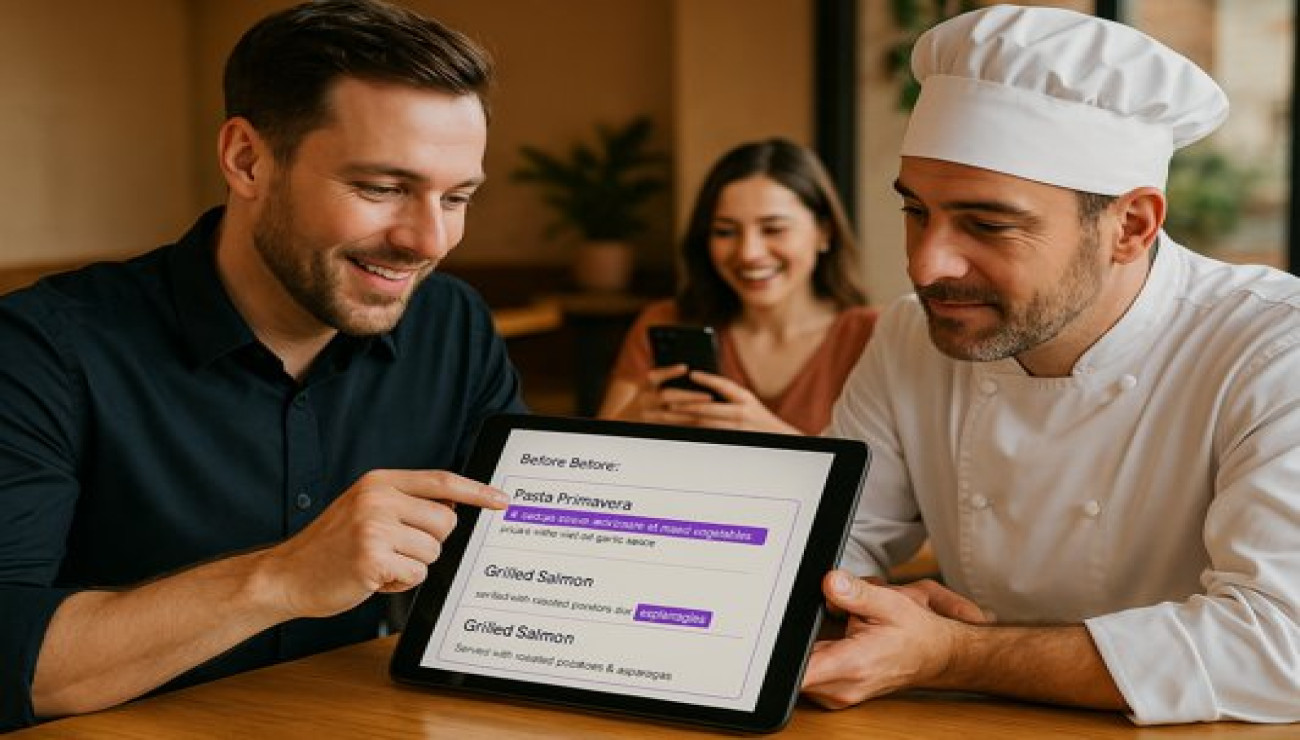
- Action: Market them aggressively. Train servers to recommend them, feature them as "Chef's Specials" with compelling descriptions on your QR code food menu, and use beautiful photography to make them irresistible.
- Example: A unique, premium pasta dish or a seasonal cocktail with excellent margins.
4. Dogs: Low Profitability, Low Popularity
These items drain resources. They take up menu space, require inventory, and rarely sell.
- Action: Remove them from the menu. This simplifies operations for your kitchen and allows you to focus on promoting more profitable items.
- Example: A complex dessert that requires special ingredients but only sells once a week.
The Psychology of Menu Design: Guiding the Customer's Eye
How you layout and describe your items has a profound impact on what customers order.
1. Strategic Placement and Layout
Customers' eyes naturally track to certain areas of a menu. Use this to your advantage.
- The "Golden Triangle": For physical menus, the top-right corner, center, and top-left corner get the most attention. Place your Stars here.
- Boxes and Highlights: Draw attention to high-profit Puzzles or specials by placing them in a shaded box or with an icon. On a digital menu solution, use subtle animations or accent colors like #563d7c to make them stand out.
- Limit Choices: Too many options can overwhelm guests and slow down decision-making. A streamlined menu improves the experience and table turnaround time.
2. The Power of Descriptive Language
A compelling description can transform a simple dish into a must-have item.
- Use sensory words: "slow-cooked," "handcrafted," "caramelized," "creamy," "crispy."
- Highlight origins: "Locally-sourced organic tomatoes," "Grandma's secret recipe."
- Tell a story: "Our signature dish, inspired by the street food of Bangkok."
Leveraging Technology for Data-Driven Engineering
Modern restaurant automation tools make menu engineering easier and more accurate than ever.
1. Your POS is Your Best Analyst
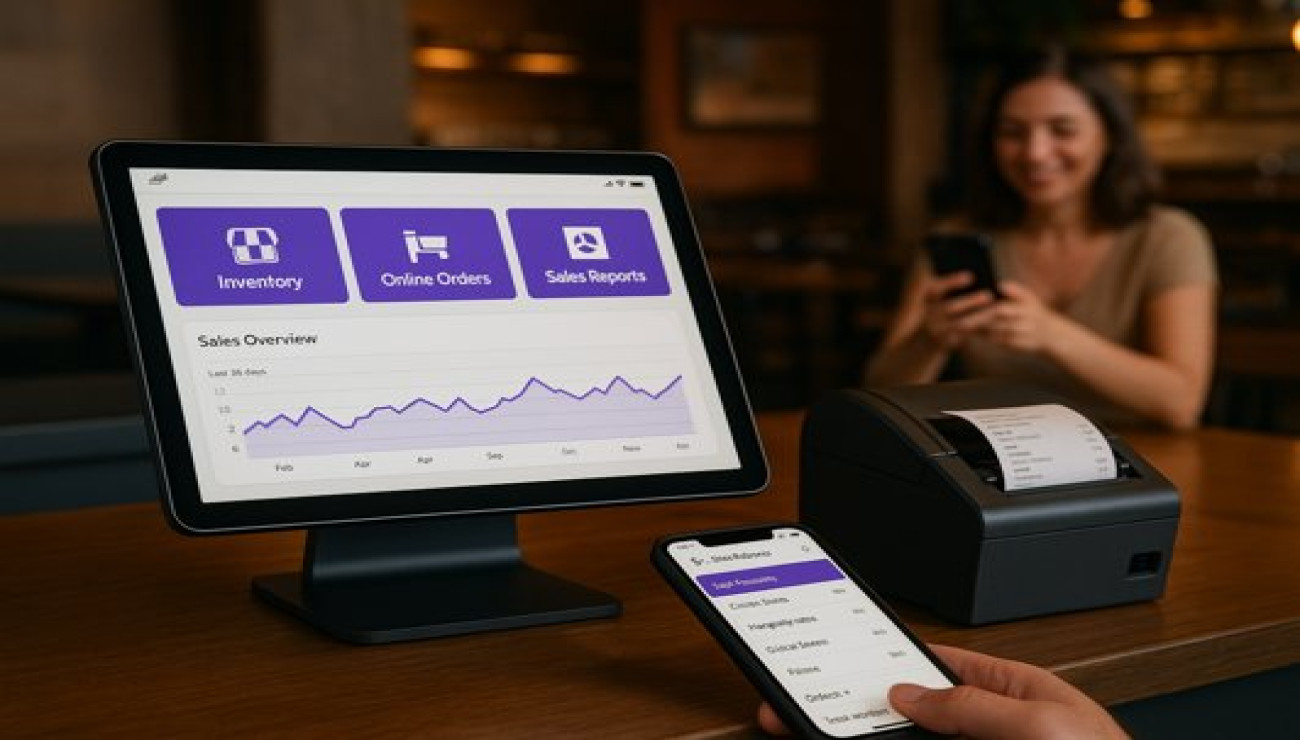
Your POS software for restaurants holds all the data you need. Run these key reports:
- Product Mix Report: Shows the quantity sold of each menu item.
- Cost of Goods Sold (COGS): Tracks the cost of ingredients for each dish.
- MenuItem Profitability Report: The holy grail. Calculates the exact profit margin for every item after accounting for food cost.
2. The Advantage of a Digital Menu
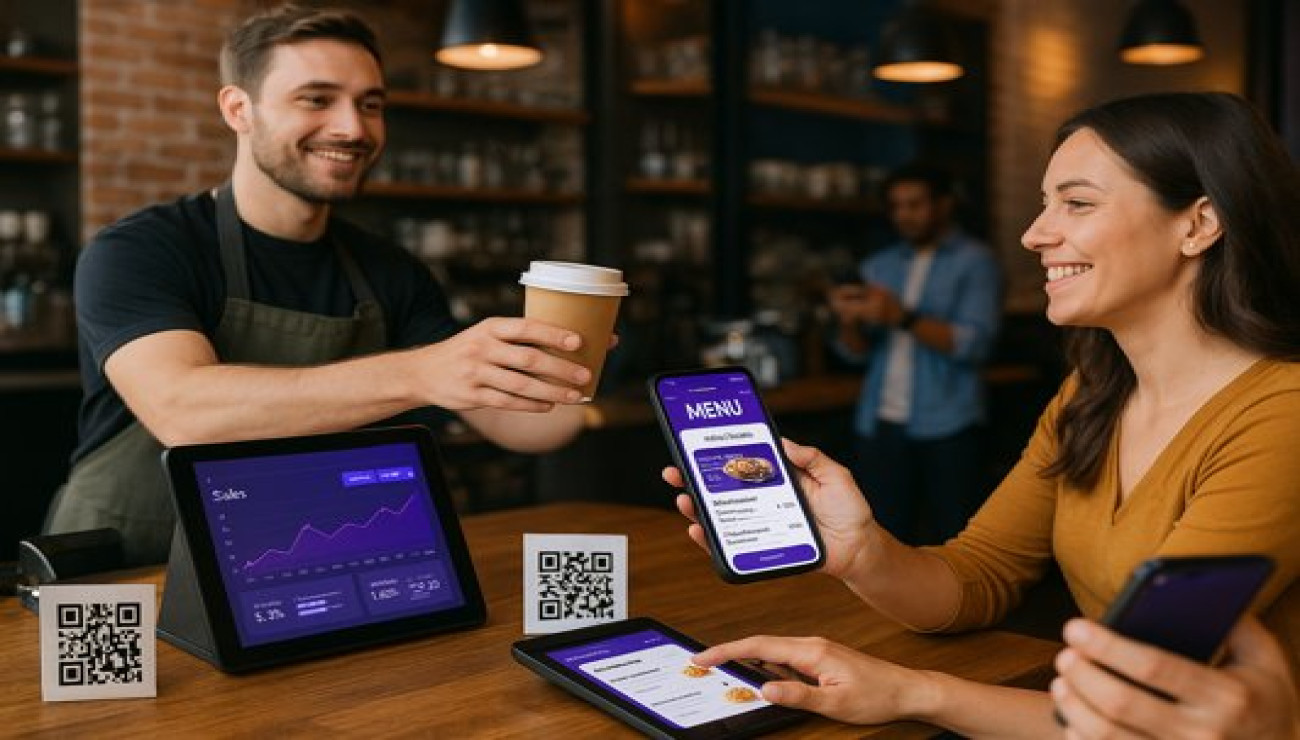
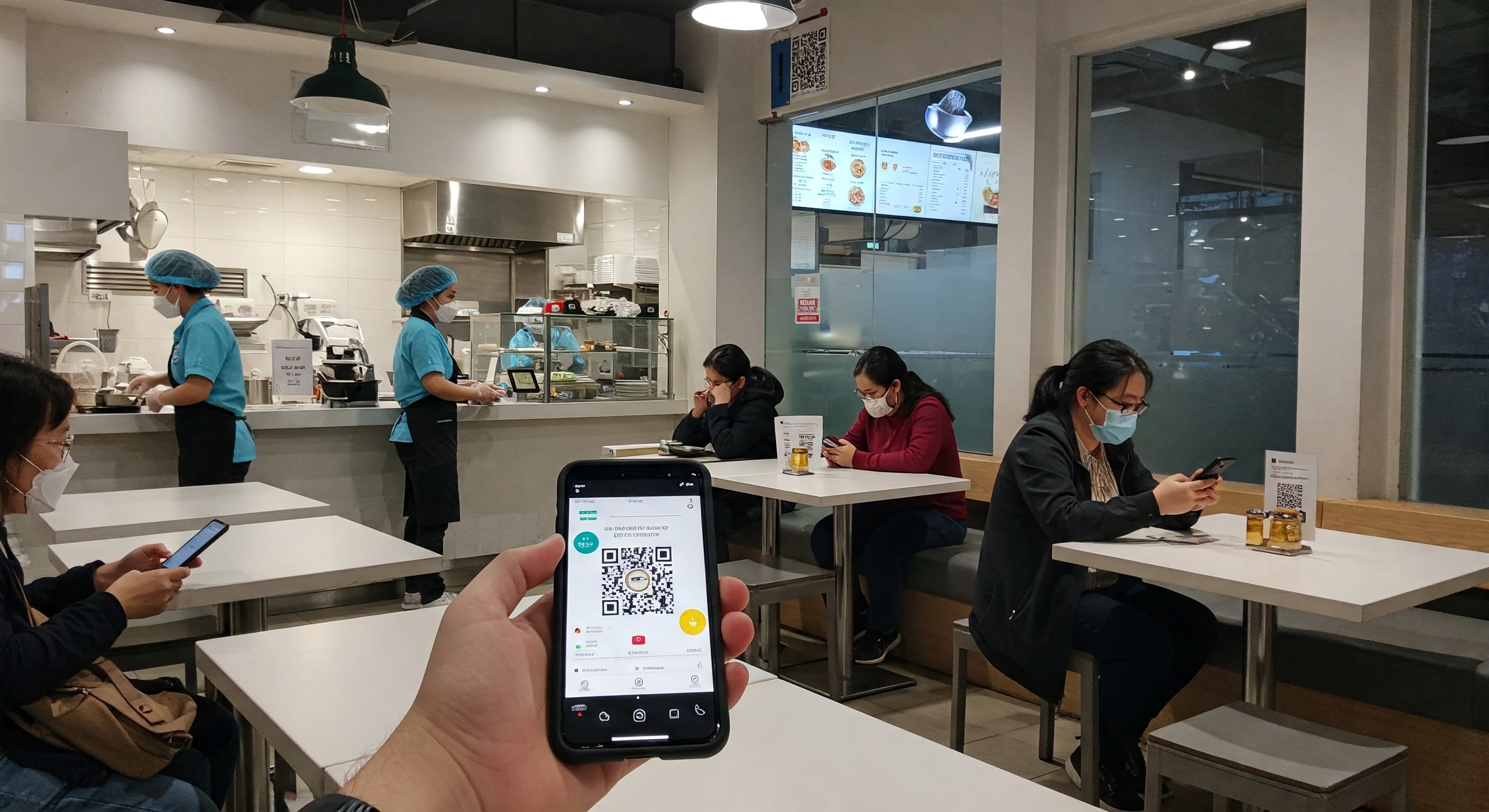
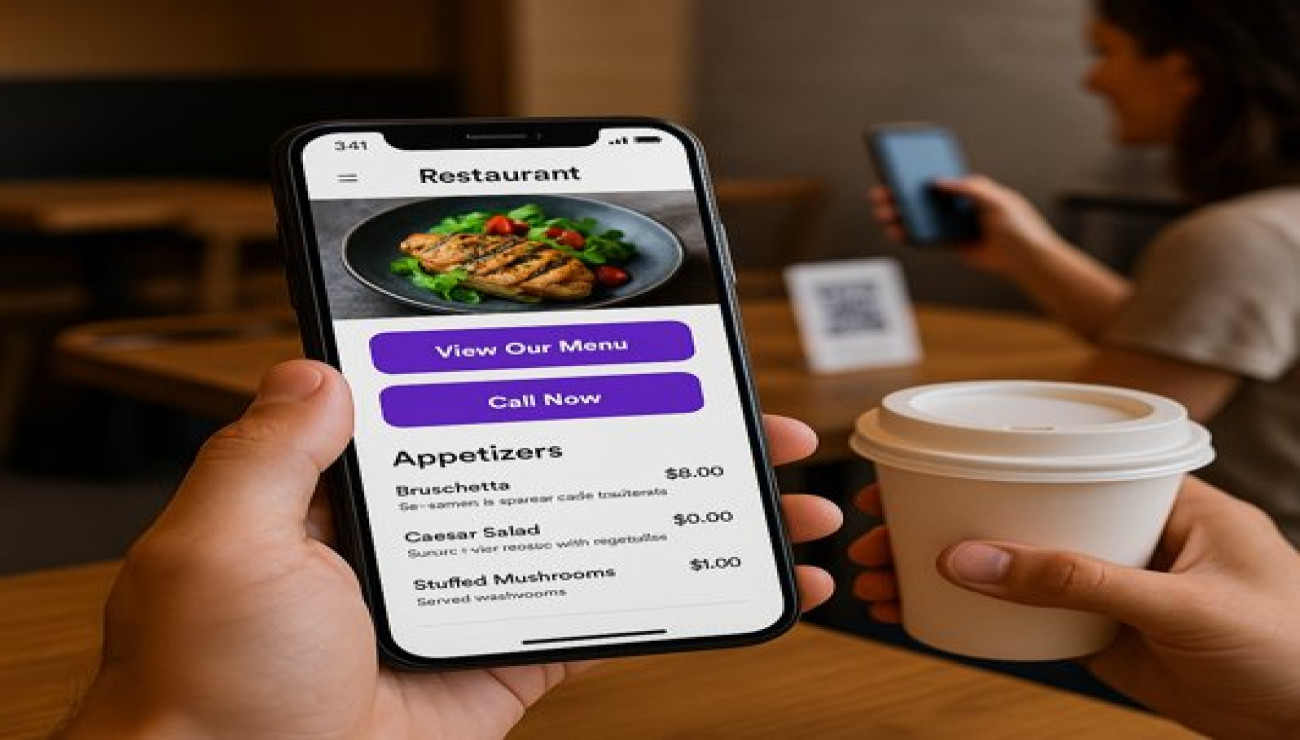
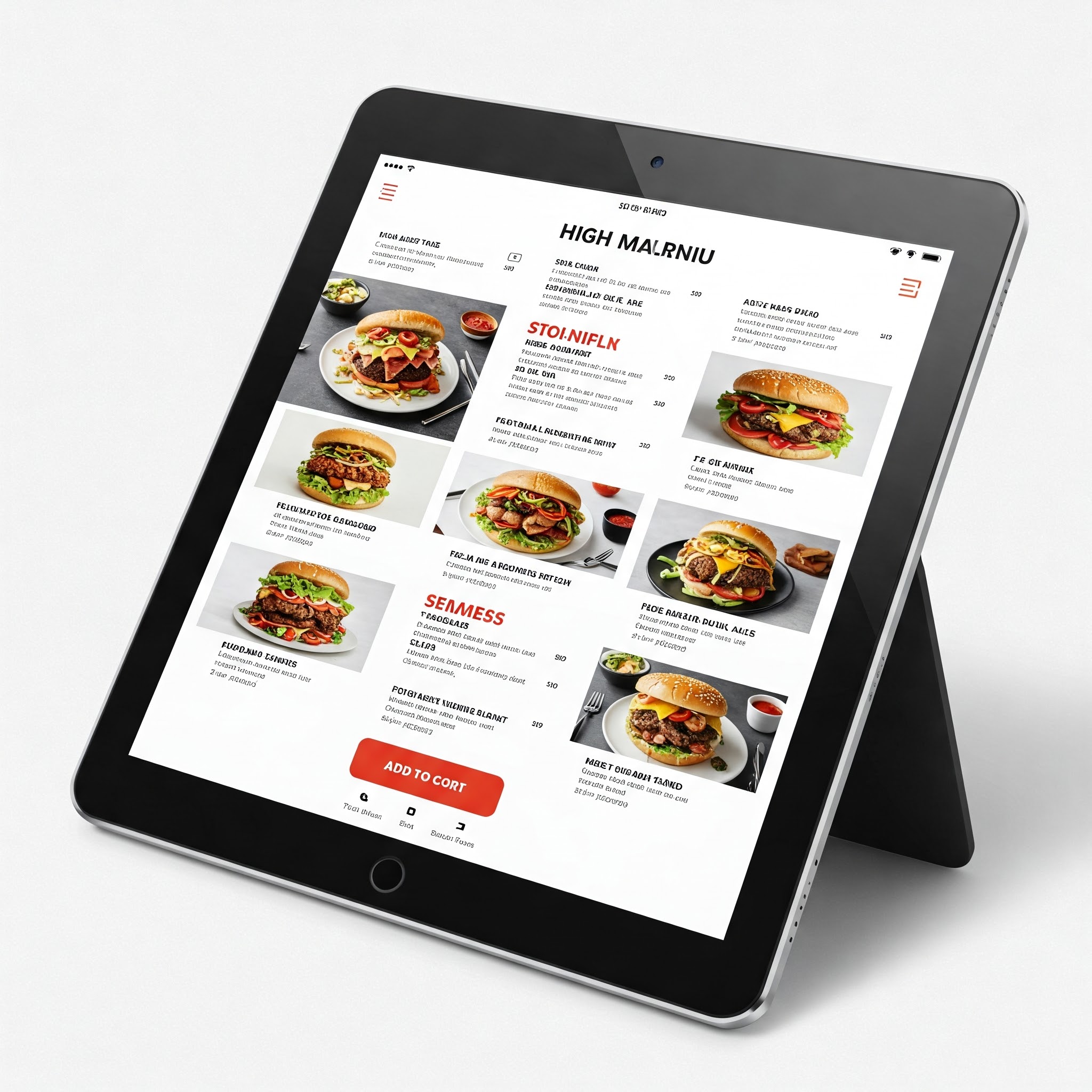
A dynamic QR code menu is a menu engineer's dream tool.
- Test and Iterate Instantly: Change item placement, descriptions, and prices in real-time without reprinting costs.
- Highlight in Real-Time: Feature "slow-moving" Puzzles as daily specials to reduce waste.
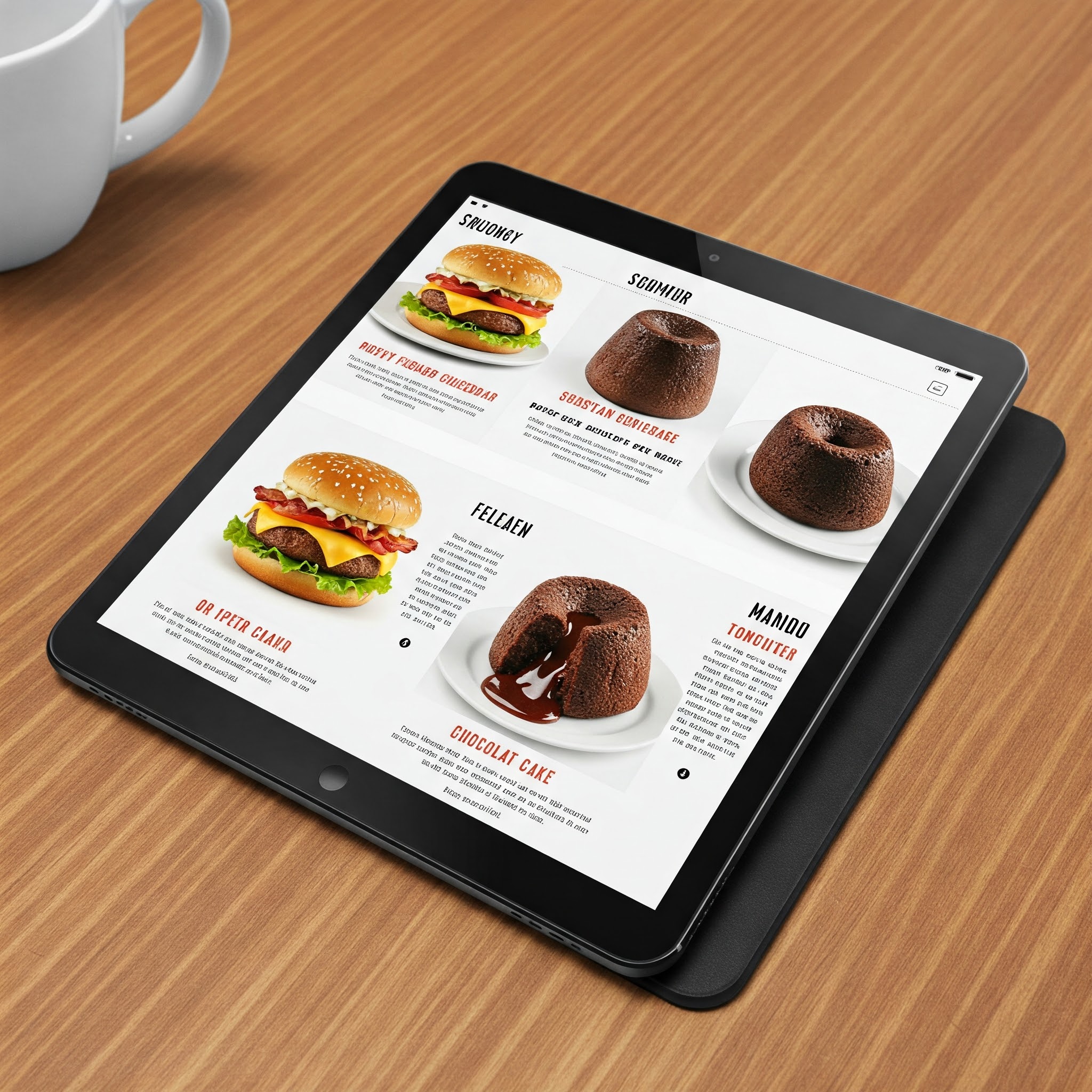
- Use Rich Media: Add photos and videos of your Stars to make them even more appealing.
A Case Study: Engineering a 15% Profit Increase
A family-style restaurant was struggling with low overall profitability despite decent sales. They conducted a menu engineering analysis using their POS data.
Findings: Their bestselling item (a chicken entree) was a "Plow Horse" with a very low margin. A unique seafood dish was a "Puzzle"—high margin but rarely ordered. They had three "Dogs" that collectively took up 10% of menu space but contributed less than 2% of revenue.
Actions Taken: They slightly increased the price of the chicken entree and added a premium side to create a combo. They trained servers to recommend the seafood dish and featured it in a highlighted box on their new digital menu. They removed the three "Dogs."
Result: Within two months, the restaurant's overall food cost percentage decreased by 3 points, and the average order value increased by 10%. This combined effect led to a 15% increase in net profit, simply by rearranging and repricing the existing menu based on data.
Menu Engineering Action Checklist
- Gather Your Data: Export sales and cost reports from your POS for the last 3-6 months.
- Calculate Metrics: Determine the popularity (%) and profitability (₹) of every item.
- Create the Matrix: Plot each item on a four-quadrant chart to identify Stars, Plow Horses, Puzzles, and Dogs.
- Develop an Action Plan: Decide on price changes, promotions, or removals for each category.
- Redesign Your Menu: Apply principles of visual design and psychology to your layout.
- Train Your Staff: Ensure servers understand the new menu and know what to recommend.
- Implement a Digital Menu: Use a QR code menu system to allow for flexible updates.
- Re-Analyze Quarterly: Menu engineering is not a one-time task. Review your matrix every season.
Conclusion: Your Menu is a Dynamic Business Tool
Menu engineering transforms your menu from a static price list into a dynamic, data-driven profit engine. By understanding what sells and what profits, you can make strategic decisions that directly boost your bottom line. It requires an ongoing commitment to analysis and adaptation, but the financial rewards are substantial. In the competitive food industry, the businesses that succeed are those that leverage their data to make smarter decisions—and it all starts with the menu.
Stop guessing what works. Start engineering your menu for profit today.

Comments (0)