

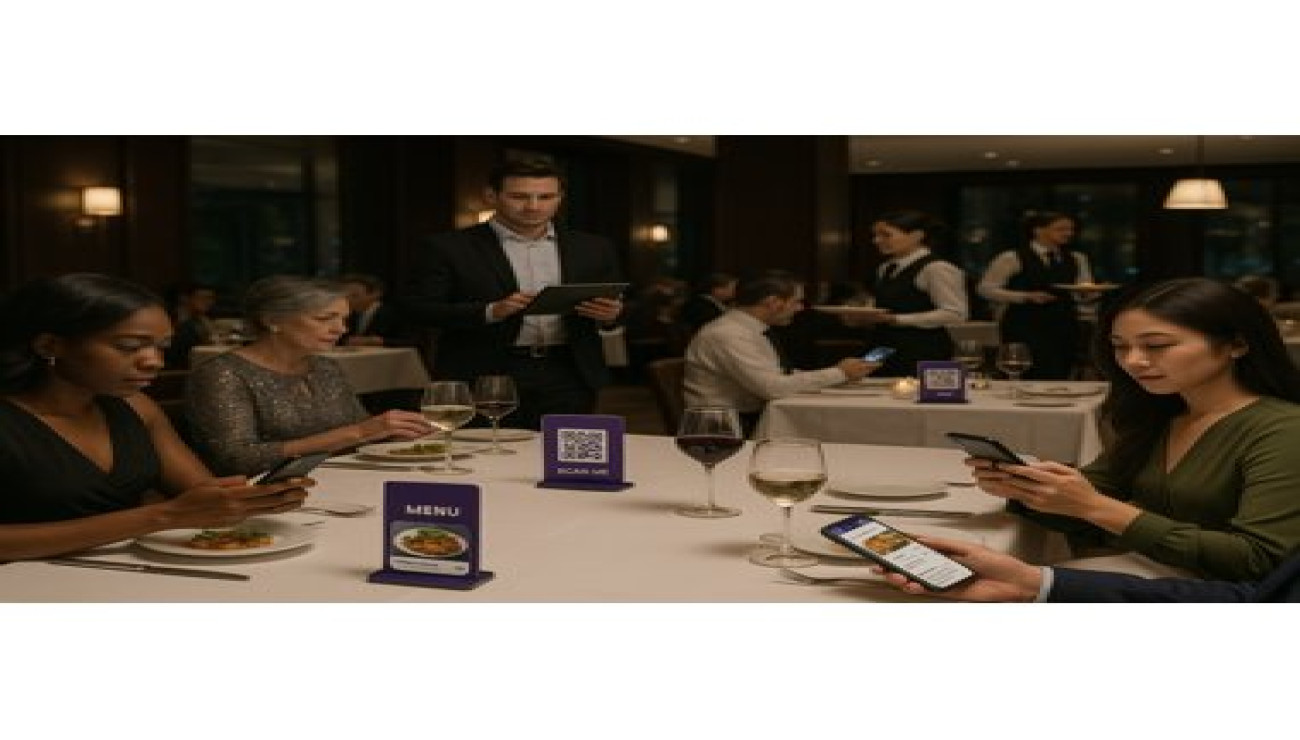
Why Digital Menus Are Essential for Restaurants
October 26, 2024 | Restaurant Technology, Customer Experience
The restaurant industry has entered a new era of digital transformation, and at the forefront of this revolution is the digital menu. What began as a temporary solution for contactless service has rapidly evolved into an essential tool for modern restaurants. Beyond mere convenience, digital menus represent a fundamental shift in how establishments operate, market themselves, and connect with customers.
In today's competitive landscape, restaurants that cling to traditional printed menus are not just missing an opportunity—they're falling behind. Digital menus have transitioned from innovative luxury to operational necessity, offering benefits that extend far beyond their initial health safety advantages. From dynamic pricing strategies to real-time inventory management, these powerful tools are reshaping the dining experience for owners and customers alike.
The Operational Imperative: Streamlining Restaurant Management
Digital menus serve as the central nervous system of modern restaurant operations, integrating seamlessly with other critical systems to create unprecedented efficiency.
Real-Time Menu Management
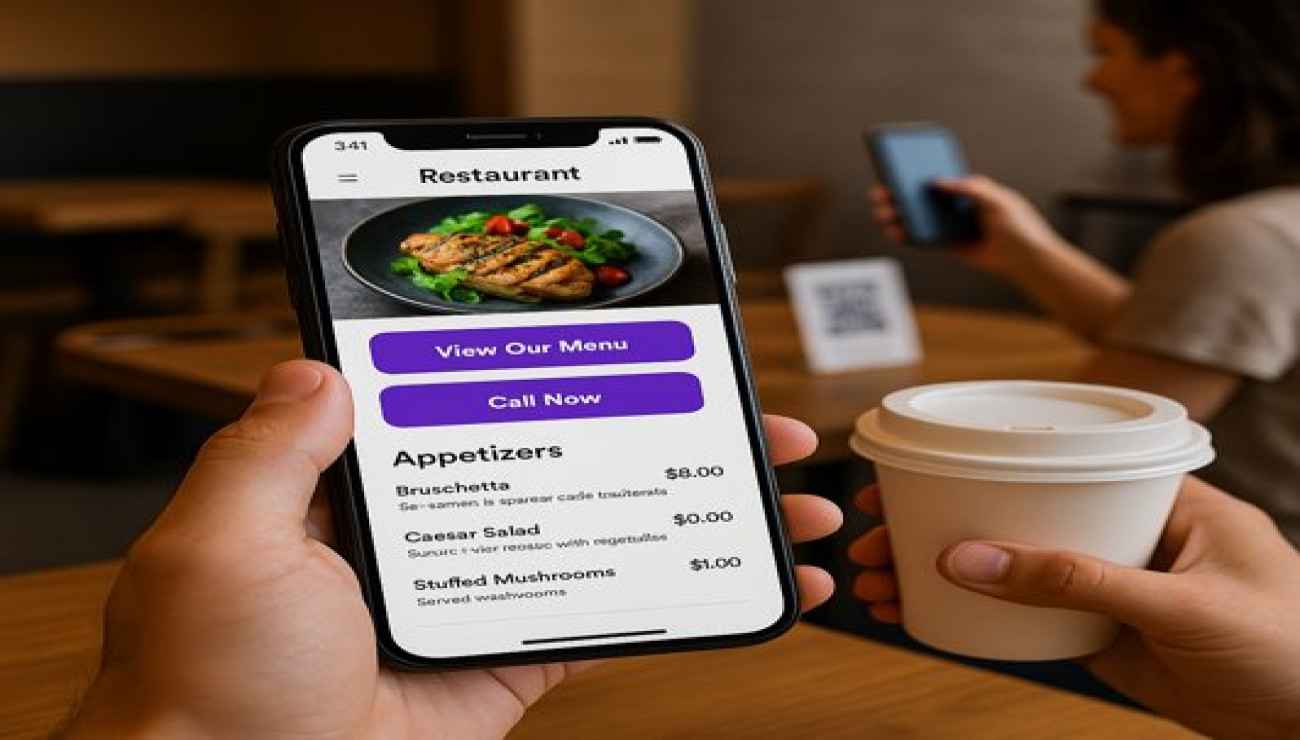
Traditional printed menus create operational bottlenecks that digital solutions eliminate entirely. With a QR code food menu, restaurant managers gain complete control over their offerings:
- Instant updates across all customer touchpoints when items sell out
- Dynamic pricing adjustments based on ingredient costs or demand patterns
- Seasonal menu changes implemented without printing costs or delays
- Special promotions activated and deactivated based on time of day
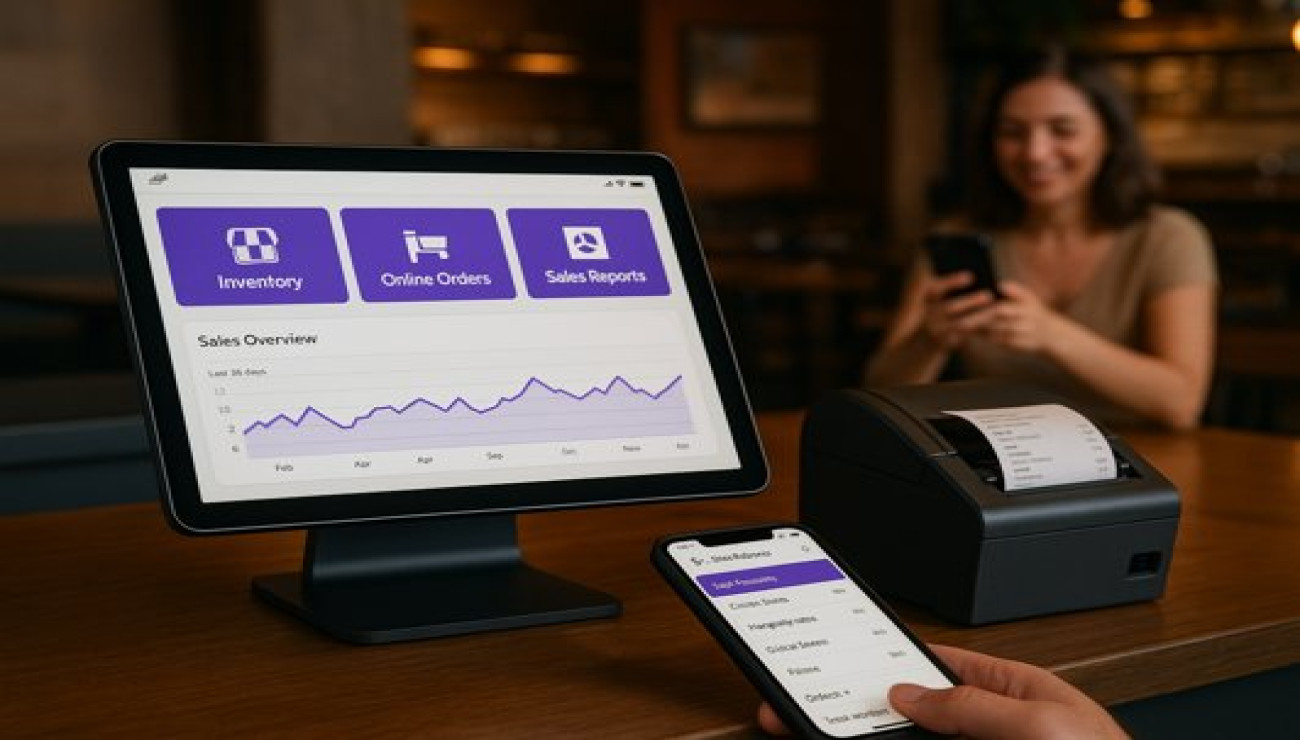
This real-time flexibility transforms menu management from a logistical challenge into a strategic advantage, particularly for establishments using integrated POS software for restaurants that synchronizes inventory with menu availability.
Integrated Kitchen Operations
The most significant operational benefit of digital menus lies in their integration with kitchen display systems. Orders placed through contactless menu solution platforms:
- Appear instantly in the kitchen without manual entry
- Can be automatically prioritized based on preparation time
- Include specific customer instructions that reduce errors
- Provide accurate timing for better course coordination
This seamless integration represents a fundamental improvement in restaurant automation tools, reducing friction between front-of-house and kitchen operations while improving overall efficiency.
The Customer Experience Revolution
Digital menus transform the dining experience from passive consumption to active engagement, creating more satisfying interactions for modern customers.
Enhanced Decision-Making Tools
Today's diners expect more information than printed menus can provide. Digital menus deliver rich, interactive content that empowers better ordering decisions:
- High-resolution food photography that showcases dishes
- Detailed ingredient lists and allergen information
- Nutritional data for health-conscious customers
- Customer reviews and popularity indicators for specific items
- Wine and beverage pairing suggestions
This level of detail reduces order uncertainty and increases customer confidence, leading to higher satisfaction and fewer returned dishes.
Personalized Dining Experiences
Advanced table ordering solution platforms can remember customer preferences and create tailored experiences:
- Welcome returning customers with personalized recommendations
- Adjust menu presentation based on time of day or occasion
- Offer special promotions based on past ordering behavior
- Provide language options for international visitors
This personalization transforms generic transactions into memorable experiences that encourage customer loyalty and repeat business.
Marketing and Revenue Generation
Digital menus function as always-active marketing platforms, creating new revenue opportunities that printed menus cannot match.
Dynamic Promotional Capabilities
The marketing flexibility of digital menus represents their most significant advantage over traditional alternatives:
- Time-sensitive promotions that automatically appear during slow periods
- Visual highlighting of high-margin items and chef's specials
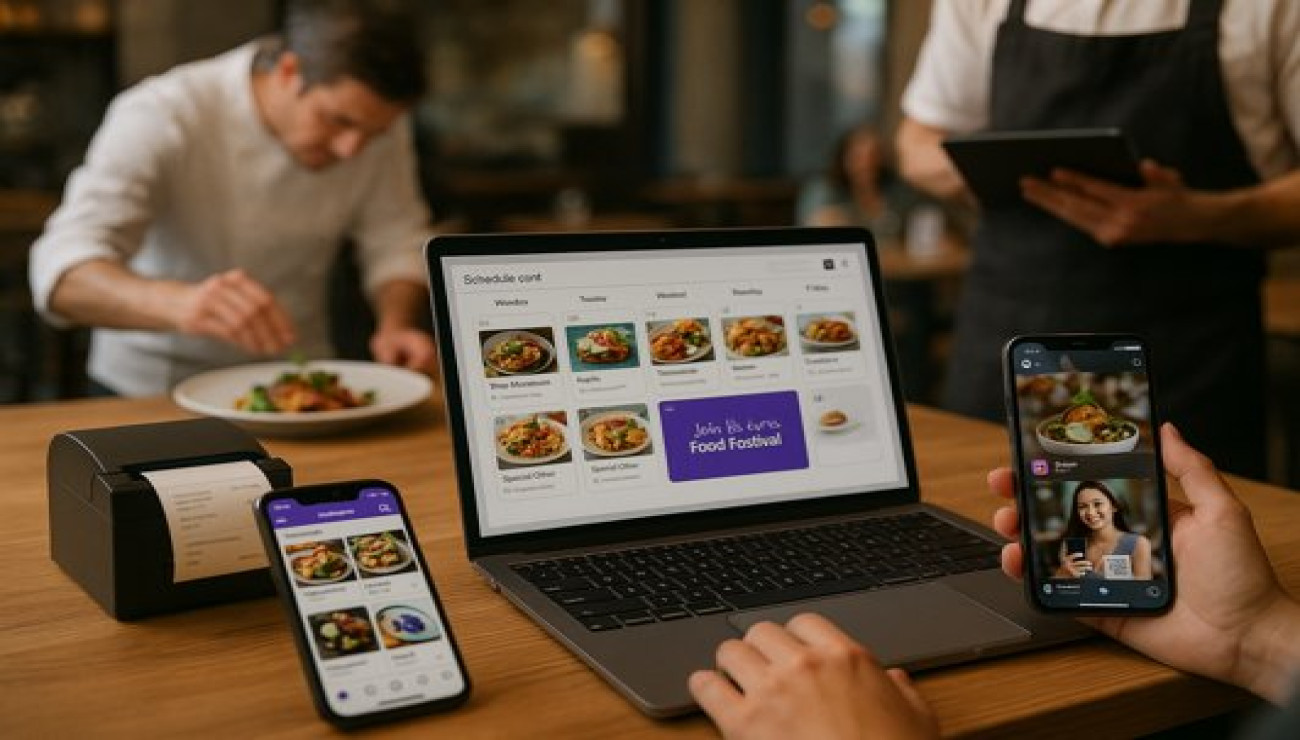
- Integrated festival marketing for food brands during holidays and events
- Cross-promotion with other businesses or local attractions
- Real-time social media integration showcasing customer posts
This dynamic approach to menu-based marketing turns every table into a personalized promotional channel, directly impacting sales performance.
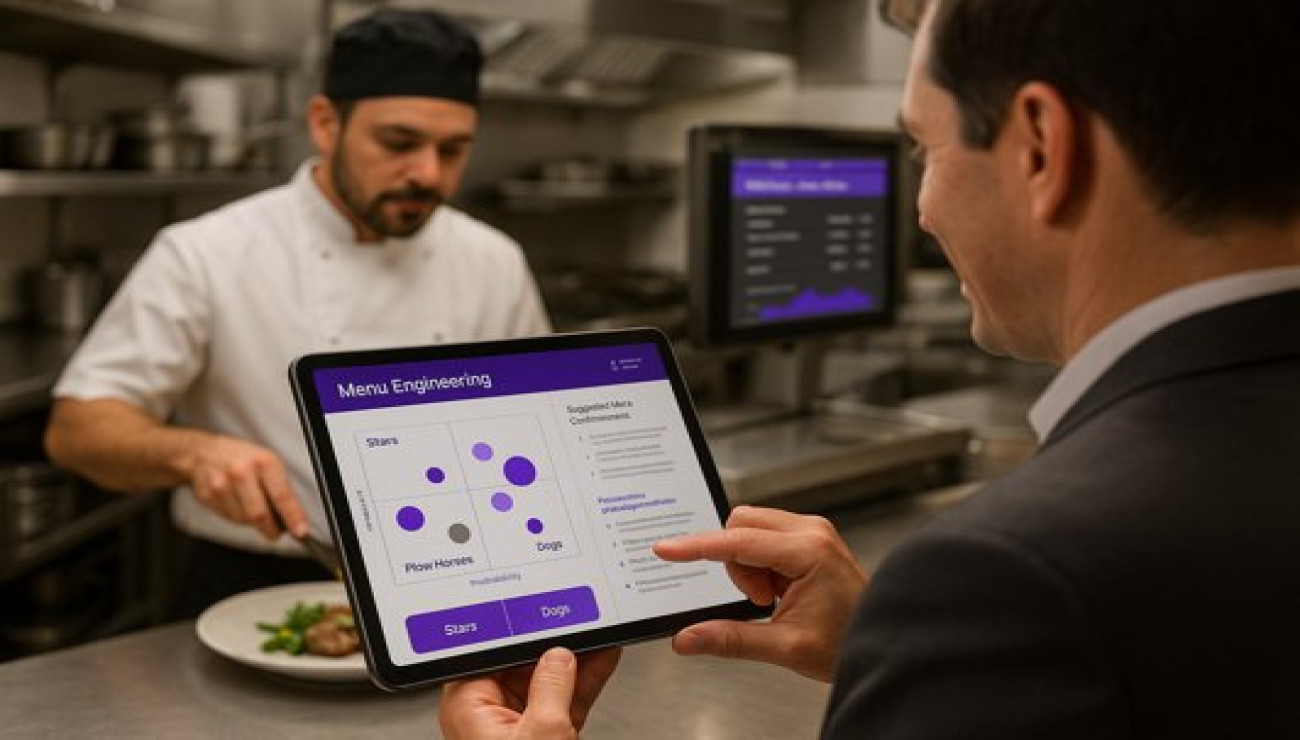
Data-Driven Business Intelligence
Digital menus generate valuable customer data that informs smarter business decisions:
- Real-time tracking of menu item popularity
- Identification of ordering patterns and trends
- Customer preference data for menu optimization
- Performance metrics for promotional campaigns
- Peak ordering time analysis for staff scheduling
This business intelligence transforms guesswork into data-driven decision making, creating significant competitive advantages for restaurants that leverage these insights effectively.
Case Study: Comprehensive Benefits Realization
A multi-cuisine restaurant with 75 seats implemented a comprehensive digital menu system integrated with their existing restaurant billing software. Within three months, they achieved a 40% reduction in menu management costs through eliminated printing and reduced staff time for menu updates. Customer satisfaction scores increased by 28% due to richer menu information and reduced ordering errors. Perhaps most impressively, the establishment saw a 19% increase in average order value through strategic visual merchandising and personalized promotions. The system paid for itself in under eight weeks while providing ongoing customer behavior insights that informed their broader restaurant marketing strategy 2025.
Essential Features of Modern Digital Menu Systems
Not all digital menu solutions offer equal capabilities. Restaurants should prioritize these essential features:
- Seamless POS Integration: Real-time synchronization with smart POS for small eateries and inventory systems
- Mobile Optimization: Flawless performance on all smartphone devices and operating systems
- Offline Functionality: Continued operation during internet outages
- Multi-language Support: Automatic translation capabilities for international customers
- Accessibility Features: Compliance with accessibility standards for visually impaired users
- Analytics Dashboard: Comprehensive reporting on menu performance and customer behavior
Digital Menu Implementation Checklist
- Conduct a technology audit of current POS and kitchen systems for compatibility
- Select a platform that integrates with your existing restaurant automation tools
- Develop digital menu content with professional photography and detailed descriptions
- Train staff on assisting customers and explaining the new system benefits
- Implement prominent signage explaining the digital ordering process
- Establish metrics to measure performance before and after implementation
- Develop a promotional plan to announce the new system to regular customers
- Create a feedback mechanism to continuously improve the digital experience
The Future of Digital Menu Technology
Digital menu technology continues to evolve, with several emerging trends set to further transform the restaurant experience:
- Augmented Reality Integration: Visual previews of dishes through smartphone cameras
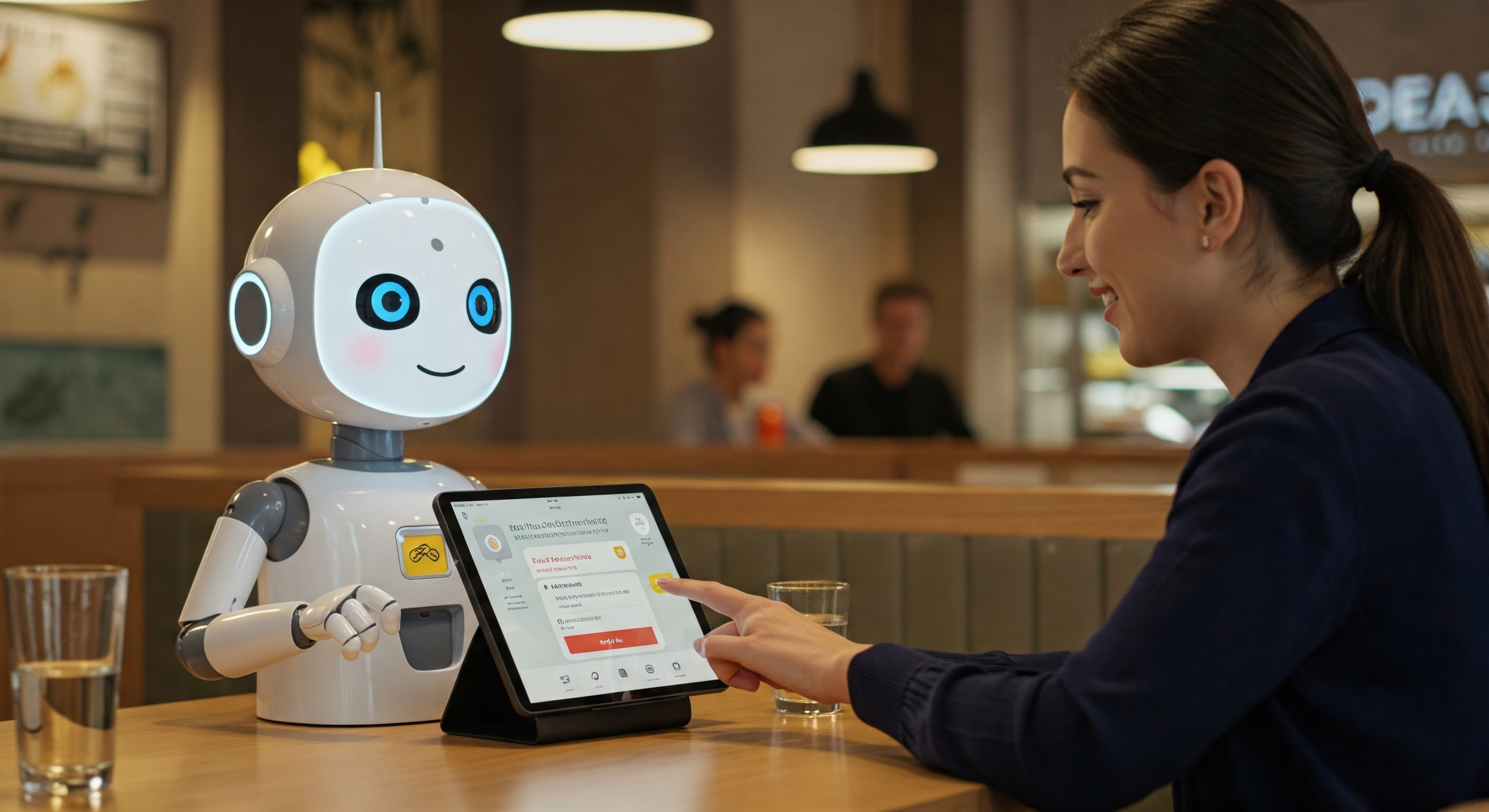
- AI-Powered Personalization: Intelligent menu recommendations based on customer preferences
- Voice Ordering Capabilities: Integration with voice assistants for hands-free ordering
- Sustainability Tracking: Carbon footprint and sourcing information for environmentally conscious diners
- Blockchain Verification: Transparent supply chain information for premium ingredients
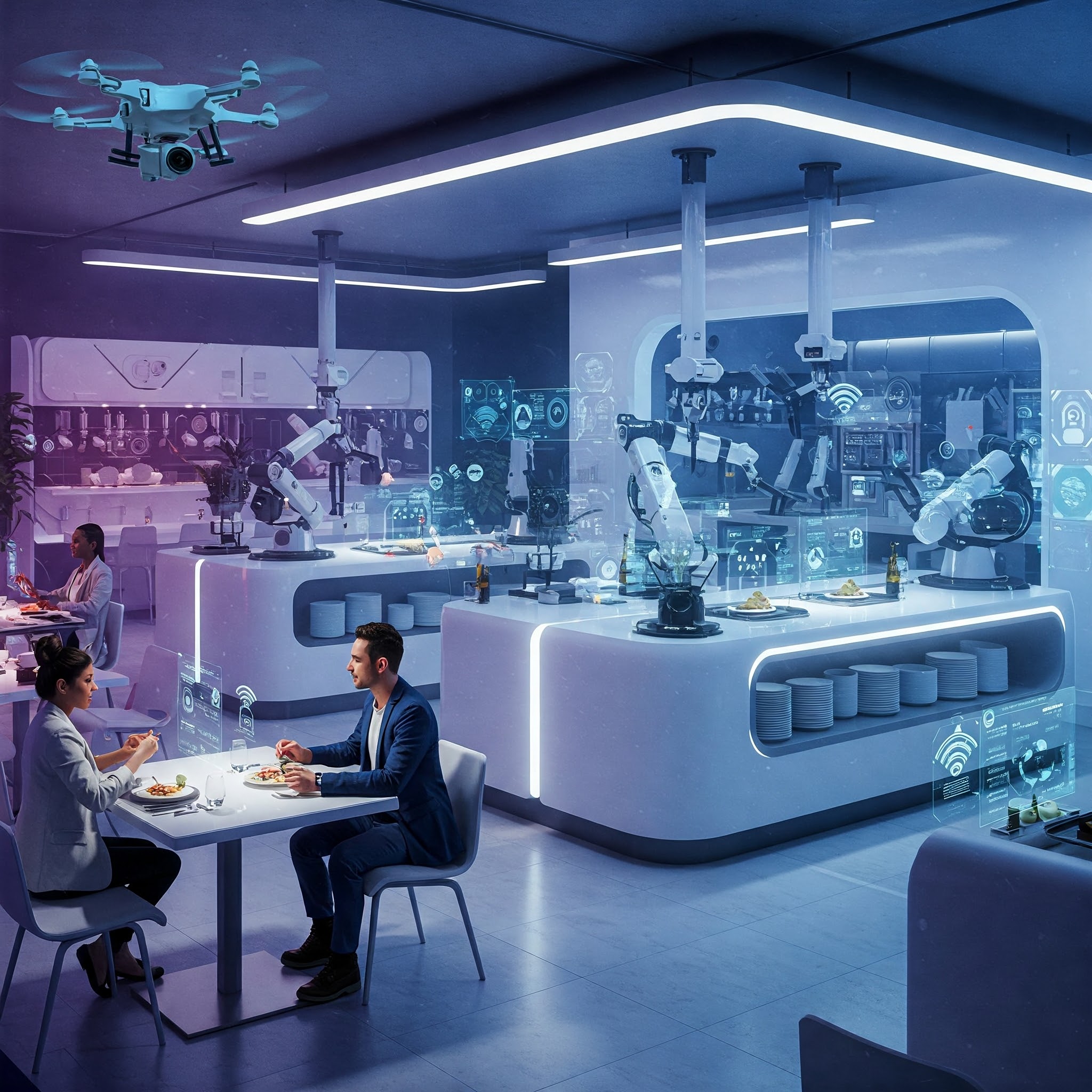
These advancements will further cement digital menus as essential components of modern restaurant operations, offering increasingly sophisticated capabilities that enhance both operational efficiency and customer experience.
The transition to digital menus represents more than technological adoption—it signifies a fundamental shift toward more efficient, responsive, and customer-centric restaurant operations. Establishments that embrace this technology position themselves for success in an increasingly competitive and digitally-driven marketplace.
Ready to transform your restaurant's operations and customer experience? Discover how our comprehensive digital menu solution can drive your business forward.


Comments (0)