

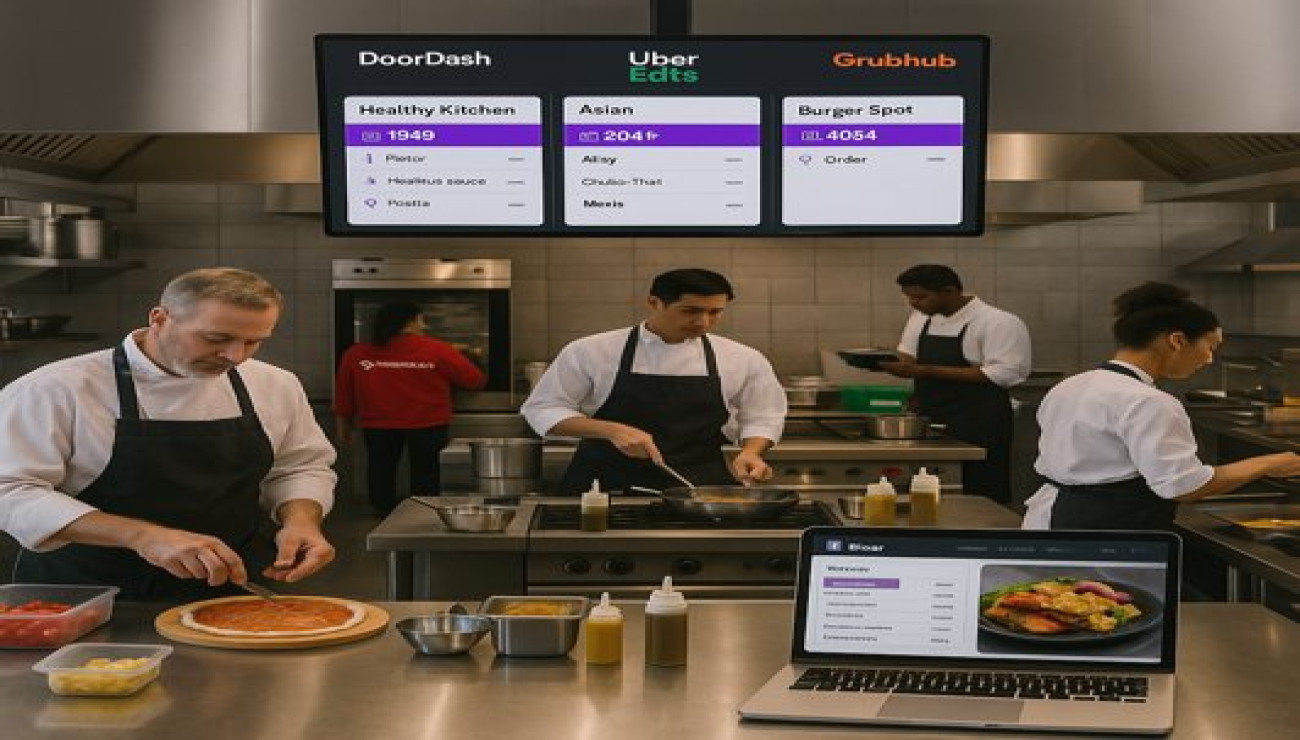
The Rise of Cloud Kitchens & Delivery
The restaurant landscape is undergoing a seismic shift, driven by changing consumer habits, technological advancements, and economic realities. Cloud kitchens—also known as ghost kitchens, dark kitchens, or virtual kitchens—have emerged from a niche concept to a dominant force in the food industry. These delivery-only operations, without physical dining spaces, are revolutionizing how food is prepared, marketed, and delivered, offering unprecedented opportunities for entrepreneurs and established restaurants alike to expand their reach and profitability.
The rise of cloud kitchens represents more than just a operational model change; it's a fundamental reimagining of the restaurant business. By eliminating the high costs associated with prime real estate, elaborate decor, and front-of-house staff, cloud kitchens can operate with dramatically lower overhead while focusing exclusively on the quality and efficiency of food production. This model leverages advanced food ordering system technology, data analytics, and delivery logistics to meet the growing demand for convenient, restaurant-quality meals at home.
Why Cloud Kitchens Are Transforming the Food Industry
Several powerful trends have converged to make cloud kitchens not just viable, but increasingly dominant in the food service sector.
1. The Explosion of Food Delivery Culture
The pandemic accelerated existing trends toward food delivery, but the convenience has proven lasting.
- Changing Consumer Preferences: Busy lifestyles, dual-income households, and the normalization of ordering in have made delivery a regular part of modern life.
- Aggregator Platform Growth: Services like Swiggy, Zomato, Uber Eats, and DoorDash have made ordering food as easy as a few taps on a smartphone.
- Expanded Delivery Radius: Without the need to maintain a dining area, cloud kitchens can operate from lower-cost locations while still serving wide delivery areas.
2. Economic Advantages and Operational Efficiency
The financial model of cloud kitchens offers compelling advantages over traditional restaurants.
- Reduced Overhead: No expensive storefronts, reduced seating area costs, and minimal front-of-house staffing dramatically lower operational costs.
- Higher Density Operations: Multiple virtual brands can operate from a single kitchen space, maximizing facility utilization.
- Real Estate Flexibility: Kitchens can be located in industrial areas, basements, or other low-cost locations with minimal aesthetic requirements.
- Scalability: Successful concepts can be replicated across multiple locations with relatively low investment compared to traditional restaurants.
3. Data-Driven Menu Development and Optimization
Cloud kitchens live and die by data, allowing for unprecedented menu optimization.
- Rapid Iteration: Menus can be tested, refined, or completely changed based on performance data without confusing dine-in customers.
- Hyper-Specialization: Kitchens can focus on specific cuisine types or even single dishes that delivery well.
- Demand-Based Preparation: Advanced forecasting integrated with POS software for restaurants helps optimize prep levels and reduce waste.
- Personalization at Scale: Data from ordering patterns allows for personalized recommendations and targeted promotions.
Key Models in the Cloud Kitchen Ecosystem
Not all cloud kitchens operate the same way. Several distinct models have emerged to serve different market needs.
1. Independent Cloud Kitchens
Single brands operating their own delivery-only kitchens, often as an expansion of an existing restaurant concept or as a native digital brand.
2. Multi-Brand Cloud Kitchens
One kitchen operating multiple virtual restaurant brands from the same facility, often sharing ingredients and staff to maximize efficiency.
3. Cloud Kitchen Aggregators/Pods
Large facilities housing multiple independent kitchen brands in shared spaces, providing infrastructure, utilities, and sometimes additional services like marketing support.
4. Hybrid Models
Traditional restaurants operating cloud kitchen brands from their existing kitchen during off-hours or as separate concepts.
Essential Technology Stack for Cloud Kitchen Success
Technology is the central nervous system of any successful cloud kitchen operation.
1. Integrated Order Management System
A robust system that consolidates orders from all channels is essential.
- Multi-Platform Integration: Aggregator platforms (Swiggy, Zomato), direct online ordering for restaurants, and WhatsApp ordering system integration.
- Order Consolidation: A single view of all incoming orders regardless of source.
- Smart Routing: Automatic assignment of orders to the most appropriate kitchen location for efficient delivery.
2. Kitchen Display System (KDS) and Operations Software
Efficient kitchen operations are critical for meeting delivery timelines.
- Order Prioritization: Intelligent systems that prioritize orders based on preparation time and delivery logistics.
- Preparation Tracking: Real-time updates on order status from receipt to dispatch.
- Integrated POS: POS software for restaurants designed for delivery operations with integrated delivery management.
3. Delivery Management and Optimization
Managing the last mile efficiently is crucial for food quality and customer satisfaction.
- Delivery Partner Integration: seamless connection with multiple delivery services.
- Delivery Time Optimization: Algorithms that optimize preparation and dispatch timing for optimal food temperature upon arrival.
- Real-Time Tracking: Provide customers with accurate delivery updates.
Marketing and Brand Building for Virtual Restaurants
Without a physical presence, cloud kitchens must excel at digital marketing and brand building.
1. Digital-First Brand Strategy
Building a brand that translates effectively to digital platforms requires specific strategies.
- Visual Appeal: High-quality food photography and video that looks appealing on small screens.
- Compelling Storytelling: Even without a physical space, brands need a story and personality that resonates with customers.
- Packaging as Marketing: Delivery packaging is the physical touchpoint with customers—make it memorable and brand-reinforcing.
2. Multi-Channel Customer Acquisition
Cloud kitchens must master customer acquisition across multiple digital channels.
- Aggregator Platform Optimization: Maximizing visibility and conversion on delivery apps through optimized listings, promotions, and review management.
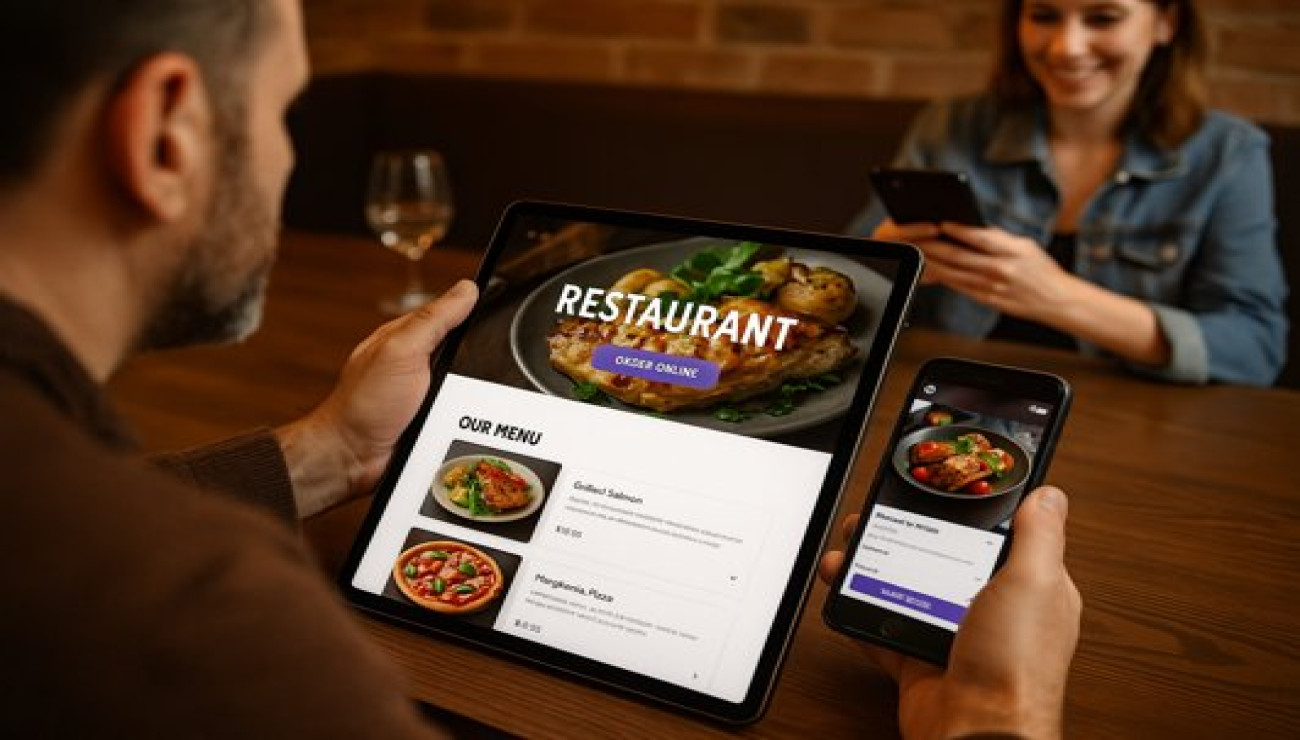
- Direct Ordering Channel Development: Building your own online ordering for restaurants system to reduce commission costs and own customer relationships.
- Social Media Marketing: Leveraging platforms like Instagram and Facebook for visual content and targeted advertising.
- Retention Marketing: Email and SMS campaigns to drive repeat orders from existing customers.
A Case Study: From Single Restaurant to Multi-Brand Cloud Kitchen Empire
A successful pizza restaurant with limited expansion potential due to high real estate costs transitioned to a cloud kitchen model. They launched two additional virtual brands from their existing kitchen—a specialty wing concept and a premium burger brand—using many of the same ingredients and staff. They implemented a sophisticated POS software for restaurants that could handle multiple brands and integrated with all major delivery platforms.
Results within one year:
- 230% increase in revenue from the same physical footprint
- 38% higher average order value across all brands compared to original dine-in model
- Ability to serve a delivery radius three times larger than their dine-in catchment area
- Successful expansion to two additional kitchen locations in new markets
Cloud Kitchen Launch Checklist
- Concept Validation: Research market gaps and validate your concept through data analysis.
- Kitchen Infrastructure: Secure appropriate kitchen space with necessary permits and equipment.
- Technology Setup: Implement integrated POS, KDS, and order management systems.
- Delivery Partnerships: Establish relationships with multiple delivery providers.
- Menu Development: Create delivery-optimized menus with appropriate packaging solutions.
- Digital Presence: Set up optimized listings on all relevant delivery platforms.
- Marketing Launch: Develop pre-launch buzz and initial promotional offers.
- Operations Refinement: Continuously optimize operations based on performance data.
The Future: Where Cloud Kitchens Are Headed
The evolution of cloud kitchens is just beginning, with several trends shaping their future.
- Hyper-Specialization: Kitchens focusing on extremely specific cuisine types or dietary preferences.
- Automation Integration: Increased use of automation in food preparation and packaging.
- Sustainability Focus: Development of more sustainable packaging and operations practices.
- Virtual Brand Incubation: Platforms that help chefs and entrepreneurs launch and test virtual restaurant concepts.
- Phygital Experiences: Hybrid models that combine delivery with limited experiential dining options.
Conclusion: The Kitchen is Now Virtual
The rise of cloud kitchens represents a fundamental and permanent shift in the restaurant industry. By decoupling food preparation from physical dining, this model offers unprecedented flexibility, efficiency, and scalability. While traditional restaurants will always have their place, cloud kitchens have democratized restaurant ownership and expanded culinary options for consumers. The future belongs to those who can master the unique challenges of delivery-only operations while maintaining the culinary excellence and brand magic that makes restaurants special.
The restaurant of the future may have no dining room, but its reach is limitless.



Comments (0)